
What Is Theatre-Based Unconscious Bias Corporate Training and Why It’s the Future of DEI Learning
Unconscious Bias Corporate Training by Tiatr-O uses theatre-based learning to build awareness, shift mindsets, and create lasting DEI impact in organizations.
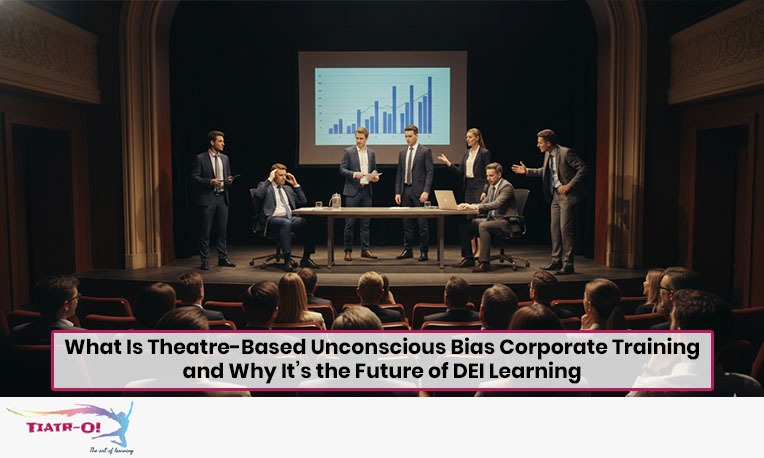
Unconscious bias corporate training is essential for modern workplaces. Yet traditional programs often fail. They rely on lectures and slides. This creates knowledge, not change. A new, more powerful method has emerged. It uses live theatre and structured role-play. This is theatre-based unconscious bias training. It is the future of effective DEI learning.
At Tiatr-O, we use this approach to turn abstract concepts into human experiences. It develops compassion and consciousness. To the HR leaders and executives, this training means just ticking off a checklist but it can actually transform your workplace culture.
What Is the Unconscious Bias Theatre-Based Training Like?
Theatre-based training is a form of experiential learning. It uses professional actors to perform realistic workplace scenes. These scenes reveal bias in action. Participants don't just hear about it; they see and feel its impact. It is not more like a lecture but rather a co-discovery. It takes place in four stages of nature:
We Observe: Professional actors are playing a very brief, recognizable scene, perhaps that very minor moment at a meeting when someone is not heard out. It is not a blame-game scene. Instead, it demonstrates the human dynamics we all have seen and makes the invisible visible.
We Reflect: A facilitator is an adept practitioner who stops the action and throws the floor open. They may enquire, “Have you just noticed something in that room?” This is not about the right answer. It is all about exchanging opinions and beginning to label things that used to be unstated.
We Intervene: This is the powerful part. The group can "rewind" the scene. Participants suggest alternatives: "What if she had intervened there?" or "Could he have asked that differently?" They can even step into the scene to try out a new, more inclusive approach. This is where awareness becomes action.
We Integrate: This live rehearsal builds a new mental blueprint. It prepares people for similar real-world moments. This entire cycle is what makes theatre-based unconscious bias corporate training so transformative. It moves learning from theory to practised skill.
Why Is Experiential Learning More Effective?
Experiential learning sticks because it speaks to our feelings. Traditional DEI programs work on an intellectual level; they target the head. Theatre-based DEI operates differently. It connects with the heart and the gut.
True behavioural change requires that emotional link. It’s one thing to know a statistic about bias; it’s another to sit in a room and feel the weight of a silent exclusion. Live performance holds up a mirror with safety and grace. Teams recognize their own conversations and conflicts in the scenes, without the finger-pointing. This safety is what unlocks honest dialogue. You can’t have real talk without first establishing real trust.
What Are the Key Benefits for Organizations?
This method delivers tangible results for L&D and HR leaders. The core benefits are practical and long-lasting.
Drives Behavioural Change: It moves teams from awareness to action. Participants practise new responses in real time.
Builds Inclusive Leadership: Managers gain tools to intervene constructively. They learn to lead with empathy, not just policy.
Creates Psychological Safety: Using actors removes defensiveness. Teams explore tough topics openly.
Ensures Long-Term Retention: Emotional, story-based learning is memorable. It sticks and influences daily decisions.
These benefits solve the main problem with traditional training: short-term impact. Theatre-based learning builds skills that last.
Why Is This the Future of DEI?
The unconscious bias corporate training is the future of DEI because it turns inclusion from an idea into a practised skill. It allows people to experience how bias shows up in real workplace interactions and rehearse more inclusive responses in the moment. This training shifts the passive participation into a living experience. This is what truly makes the training the future of DEI in the workplace.
Traditional DEI programs often stop at awareness. While they inform, they rarely change behaviour under real pressure. Theatre-based training fills this gap through experiential learning by using live scenes, reflection, and intervention to mirror everyday workplace dynamics.
As organizations move beyond box-ticking towards lasting culture change, DEI must be felt, not just taught. This approach builds psychological safety and supports inclusive leadership. It creates space for honest dialogue without blame and helps teams develop empathy, confidence, and accountability.
Conclusion
A memo can never dictate lasting change in the workplace culture. This kind of change is normally formed based on common experiences and in the process, they change the comprehension of the individuals concerned. One such important human experience is unconscious bias corporate training. It transforms the passive approach to education into the active approach in which empathy is acquired. In such a manner, your team obtains the space of inclusive leadership and psychological safety in order to thrive.
Are you ready to move one step further to the slides and start a real change in behaviour? We will build a meaningful learning experience in your company. Connect with Tiatr-O to change your workplace.

India’s leading theatre community involved in performing arts and theatre based corporate training.
Follow us on:
Contact
A-506, Kailas Business Complex
Hiranandani Link Road, Parksite Vikhroli West, Mumbai - 400079 INDIA
Phone
+91 9321220594
Email
info@tiatr-o.com
Explore
Copyright © 2026 Tiatr-O. Designed & Developed by Avira Digital Studios.